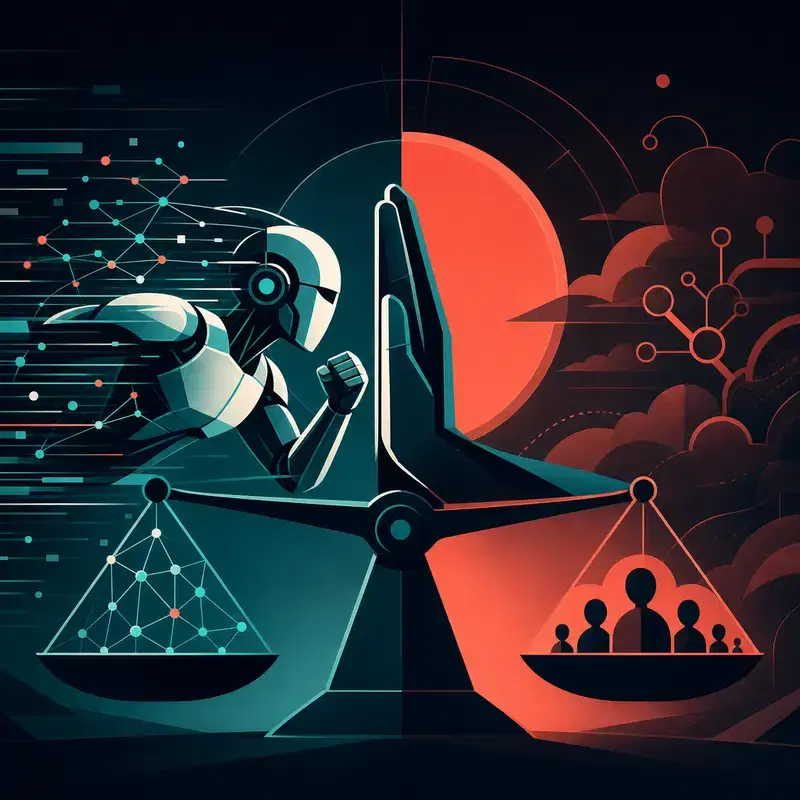
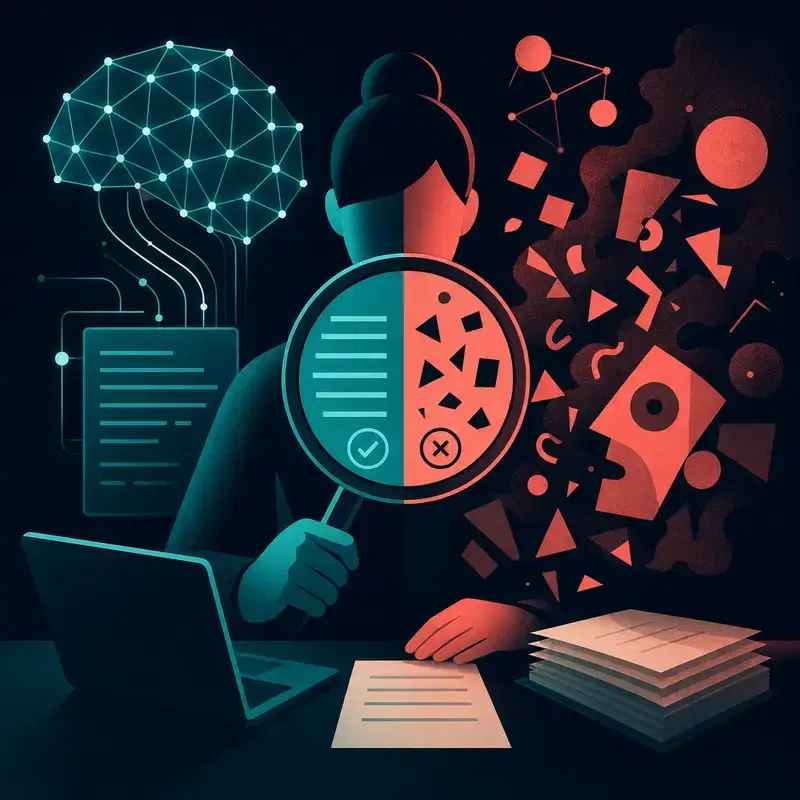
Repository coding agents are moving from autocomplete helpers to systems that inspect codebases, change files, run tools, and propose pull requests. The practical question is no longer whether they can write code, but how teams can evaluate and control their behavior before it reaches production.
Why this matters now
A coding agent can do useful work across a repository, but that same capability creates risk. Unlike a chat assistant that returns an answer, a repository agent operates inside a live environment: it reads project structure, edits multiple files, invokes tests, follows errors, and may adapt its plan over several turns.
That makes “looks good to me” an unsafe quality bar. Professional teams need repeatable evidence that an agent can handle the kinds of work they actually do: bug fixes, documentation, refactors, test generation, dependency updates, migrations, and new features. Each task type has different failure modes. Documentation may require clarity and consistency. Refactoring requires preserving behavior. New features require design judgment, integration awareness, and test coverage.
This is why evals are becoming the operating discipline around AI coding agents. An eval is not just a benchmark score. It is a structured way to give the agent a task, let it act in a controlled repository, grade the result, and decide whether to accept, reject, retry, or escalate to a human.
How it works
A repository coding agent is an AI system connected to development tools. It typically receives a task, inspects the repository, plans changes, edits code, runs commands or tests, and returns a patch or pull request. The eval layer surrounds that loop with controlled inputs, grading logic, and policy decisions.
A task is executed in a repository, graded, then accepted or escalated.
Good evals combine several signals. Unit and integration tests check functional behavior. Static analysis and security checks catch unsafe patterns. Repository specific graders verify conventions, file placement, APIs, and migration rules. Human review is still important, but it should be reserved for judgment rather than basic defect detection.
The key design choice is task stratification. Do not average everything into one score. Track agent performance by work category, repository area, language, risk level, and acceptance criteria. A team may decide an agent is trusted for documentation and test scaffolding, allowed with review for refactors, and blocked from autonomous changes to authentication or billing logic.
Real-world applications
Software teams can use coding agents to clear maintenance backlogs, draft tests for legacy modules, update API usage, generate documentation, and prepare small pull requests. In mature workflows, the agent becomes part of a controlled delivery pipeline rather than a side chat window.
For example, a platform team might build an eval suite from past issue tickets and pull requests. Each task is replayed in a clean repository state. The agent produces a patch. The system runs tests, checks style, compares expected behavior, and records whether the result would have been acceptable. Over time, this creates a regression suite for agent behavior, much like software tests catch regressions in application code.
The same idea applies to regulated or high reliability environments. Instead of asking “is the model smart,” teams ask “under what conditions is this agent safe enough for this class of change?” That framing supports governance, auditability, and incremental adoption.
Where to go deeper
To understand coding agents well, learn the surrounding systems. Retrieval augmented generation explains how agents can ground their work in project documentation and internal knowledge. Vector databases and text embeddings show how code, issues, and design docs can be searched semantically rather than only by keyword.
If your work touches mobile or systems engineering, topics like Android sideloading and Arm big.LITTLE help connect AI generated code to deployment environments, hardware constraints, and real device testing. The durable skill is not memorizing a tool name. It is learning how agents, repositories, tests, retrieval, and delivery pipelines fit together into a controlled engineering system.