Concept explainer·
How does cloud gaming work?
The news behind this explainer:Read the story on NewsPals
A blockbuster game launch with massive downloads is a useful reminder that the hardest part of gaming is not always graphics. It is access: storage, hardware, network capacity, and which platform gets to mediate the experience.
Why this matters now
Cloud gaming matters because games are becoming too large, too graphically demanding, and too ecosystem-bound for the old model of “buy hardware, install game, play locally” to cover every use case. When a major release pushes players to clear storage, upgrade devices, or wait in download queues, streaming becomes a strategic alternative: do the heavy computing somewhere else and send the player a playable video stream.
For professionals, the important idea is not “games in the cloud” as a novelty. It is cloud delivery as a platform strategy. The company that controls streaming can extend a game to older hardware, reduce installation friction, collect engagement data, and sell access through subscriptions, purchases, or metered play. That changes the economics of launches, user acquisition, and hardware refresh cycles.
It also introduces new constraints. Cloud gaming depends on latency, bandwidth, regional infrastructure, and content rights. A streamed game can feel effortless when the network is strong and frustrating when input delay or compression gets in the way. The product is not just the game. It is the game plus compute, networking, identity, payments, and support.
How it works
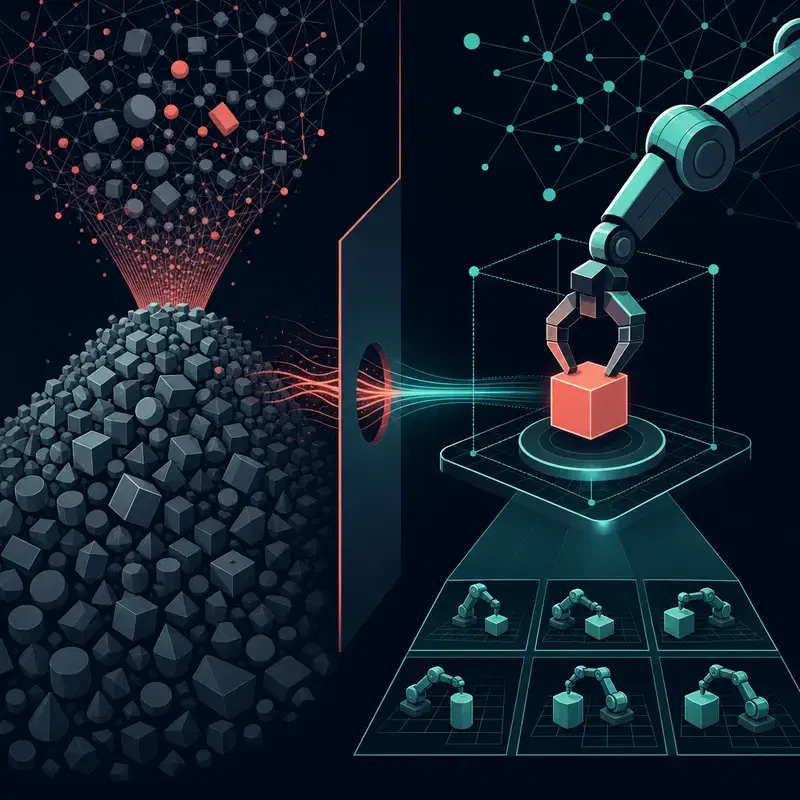
Cloud gaming runs the game on a remote server instead of the player’s local machine. The server renders each frame, encodes it as a video stream, sends it over the network, and receives the player’s controller or keyboard inputs in return. The player experiences it like interactive video, but the loop must be fast enough to feel responsive.
- Player input
- Remote game server
- Rendered frame
- Video stream to device
- Player sees response
Inputs travel to remote compute, then rendered video returns to the player.
The core technical challenge is round-trip latency. In a local game, pressing a button affects the game running on the same device. In cloud gaming, that input must travel to a data center, be processed, rendered, encoded, transmitted back, decoded, and displayed. Each step adds delay.
The business mechanism is equally important. Cloud gaming lets a platform separate “where the game runs” from “where the player sits.” That can expand reach to lower-powered devices, but it also shifts control toward the platform operator. Access rules, supported devices, regional availability, and monetization models become part of the product design.
Real-world applications
The obvious application is playing high-end games on devices that could not run them natively. An older console, lightweight laptop, television app, or handheld screen can become a portal to remote compute. This is especially valuable for large games that would otherwise require major downloads, storage upgrades, or new hardware.
Cloud gaming also helps publishers manage launch demand. Pre-loading moves files early, while streaming can reduce local installation friction for some players. For demos, trials, and limited-time events, streaming can lower the barrier to sampling because users do not need to commit storage before deciding whether to continue.
Enterprises can borrow the same pattern. Any interactive, compute-heavy experience can be remotely rendered: design visualization, simulation, training environments, digital twins, and virtual production tools. The gaming use case is simply the most latency-sensitive and consumer-visible version of a broader remote rendering model.
Where to go deeper
To understand cloud gaming well, study four areas. First, networking basics: latency, jitter, bandwidth, and packet loss. Second, video compression, because streamed games are encoded video under interactive pressure. Third, edge infrastructure, since placing compute closer to users improves responsiveness. Fourth, platform economics, including subscriptions, device lock-in, storefront control, and content licensing.
The durable lesson is that cloud gaming is not just a delivery feature. It is a re-architecture of the gaming value chain: compute moves to the cloud, access becomes programmable, and the platform relationship becomes as important as the game itself.