अवधारणा व्याख्याकार·
How does generative AI create useful work outputs?
इस व्याख्या के पीछे की ख़बर:NewsPals पर ख़बर पढ़ें
Workplace debates about AI often sound contradictory: people worry it weakens judgment, yet also see it as a way to move faster and take on higher-value work. That tension is exactly why generative AI is worth understanding as a professional skill, not a shortcut or a moral panic.
Why this matters now
Generative AI is becoming a normal part of knowledge work: drafting, summarizing, coding, researching, prototyping, and analysis. The key question is no longer simply whether someone used AI. It is whether they used it competently, disclosed it when appropriate, checked the result, and remained accountable for the final work.
For professionals, the durable skill is judgment. Generative AI can compress routine steps, but it does not remove the need to define the problem, evaluate evidence, understand the audience, or make tradeoffs. In many teams, the strongest users are not the people who ask the most prompts. They are the people who know what good output should look like and can steer the system toward it.
How it works (core definition and mechanism)
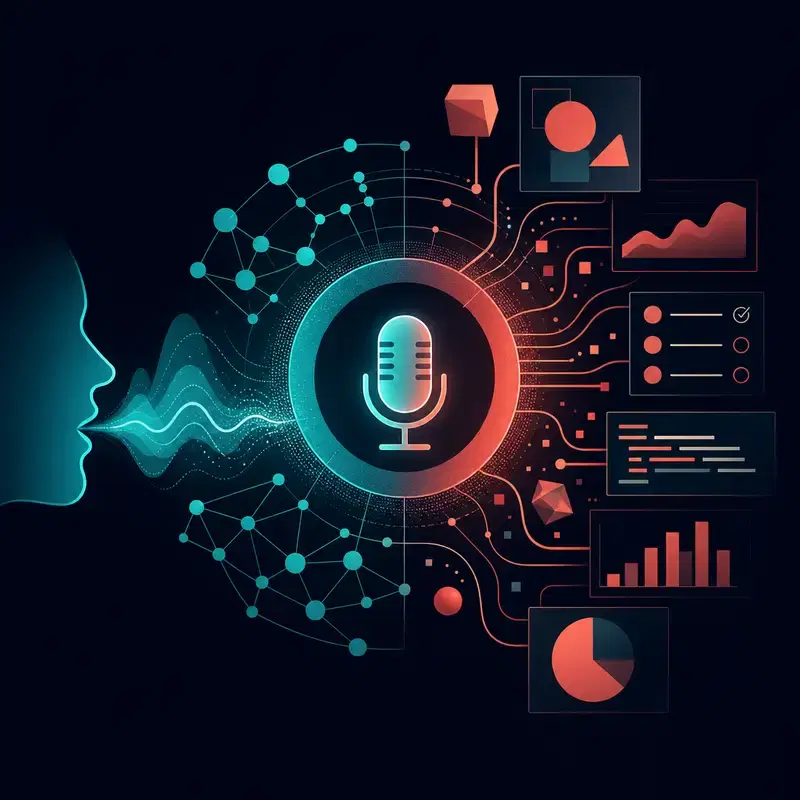
Generative AI refers to systems that create new content, such as text, images, code, audio, or structured data, by learning patterns from large amounts of training data. In text systems, the model predicts likely next pieces of language based on a prompt and context, then produces a draft that a human or another system can review, refine, or use.
- Prompt and context
- Model prediction
- Draft output
- Human review
A prompt guides prediction, but human review determines whether the draft is fit for use.
The important point is that generative AI does not “know” in the human sense. It generates plausible outputs from learned statistical patterns. That makes it powerful for language-heavy work, but also prone to confident mistakes, missing context, and invented details.
A good workflow therefore treats AI output as a draft, not a verdict. You provide clear instructions, relevant context, examples, constraints, and success criteria. Then you inspect the result for accuracy, completeness, tone, bias, security, and business fit. When the task depends on current, private, or domain-specific information, teams often add retrieval-augmented generation, which connects the model to approved documents or databases before it answers.
Real-world applications
In product work, generative AI can turn messy notes into user stories, compare positioning options, or draft release communications. In engineering, it can explain unfamiliar code, generate tests, suggest refactors, or help scaffold prototypes. In operations, it can summarize tickets, classify requests, draft standard responses, and surface recurring issues.
For career changers and managers, the most valuable use cases are often not flashy. They are repeatable workflows: preparing for meetings, translating technical concepts for stakeholders, creating first drafts, reviewing documents, and exploring alternatives before committing to a decision.
The risks are equally practical. Sensitive data may be exposed if governance is weak. Outputs may sound polished while being wrong. Teams may lose skill if they delegate thinking rather than routine effort. And unclear norms can create resentment: one person sees AI as leverage, another sees it as hiding the work. Strong teams make the rule explicit: use AI to assist judgment, not replace responsibility.
Where to go deeper
To build durable AI fluency, start with text embeddings and vector databases. These explain how systems represent meaning and find related information, which is foundational for semantic search and retrieval-augmented generation.
Then study retrieval-augmented generation to understand how AI systems can ground answers in approved sources instead of relying only on model memory. For technical learners, mobile and hardware topics matter too: Android sideloading helps you understand app distribution and trust boundaries, while Arm big.LITTLE introduces the performance and power tradeoffs that shape AI on devices.
Generative AI is not just a tool category. It is a new interface for applying expertise. The professionals who benefit most will be those who combine domain knowledge, clear prompting, rigorous review, and an understanding of the systems underneath.